
Home cinema enthusiasts hunting for a genuine step up in performance often find themselves torn between established rivals, and the Yamaha Aventage RX-A2A has become a talking point among those who frequent forums dedicated to home entertainment technology. This amplifier sits within a crowded market of AV receivers, competing against the likes of Denon and Marantz, yet it manages to carve out its own identity through a blend of premium build quality and thoughtful engineering. In this test, we take a close look at how the RX-A2A performs across HDMI connectivity, physical design, and sound reproduction, drawing on user experiences shared across various reviews and discussions.
The essentials
- The Yamaha RX-A2A features HDMI 2.1 support and 4K/8K passthrough, making it a future-proof choice for gaming and high-end video content.
- Some users have reported inconsistent HDMI handshake issues, suggesting that maintaining updated firmware is essential for optimal connectivity.
- The Aventage series prioritizes a robust, understated build quality that often feels more durable than competitors in the same price range.
- Internal engineering, including a larger power supply and higher-quality capacitors, provides the RX-A2A with superior multi-channel performance compared to lower-tier models.
- The amplifier delivers an immersive audio experience with Dolby Atmos and DTS, often noted for a warmer tonal balance compared to more analytical rivals like Denon.
- The inclusion of Yamaha's MusicCast system allows for seamless multi-room audio and high-quality stereo performance for music listening.
HDMI Performance and Video Capabilities: Testing the RX-A2A's Modern Connectivity
Any modern receiver worth its salt needs to handle today's demanding video standards, and the RX-A2A doesn't disappoint on paper. It supports HDMI 2.1 specifications alongside comprehensive HDR compatibility, which means it's built with an eye towards longevity rather than becoming obsolete the moment a new console or streaming device hits the shelves. This matters enormously for anyone pairing the unit with the latest gaming systems or a high-end television capable of displaying the full range of colour and contrast that modern content demands.
Hdmi 2.1 specifications and hdr support: future-proofing your home cinema
The inclusion of HDR support across multiple formats gives the RX-A2A a genuine edge when it comes to future-proofing a home cinema setup. Whether you're watching a Blu-ray disc with expanded dynamic range or streaming content through a connected device, the amplifier is designed to pass through the necessary signal information without introducing compromises. That said, some users on forums have raised concerns about inconsistent HDMI performance, particularly regarding handshake issues between certain televisions and gaming consoles, which is worth bearing in mind before committing to a purchase.
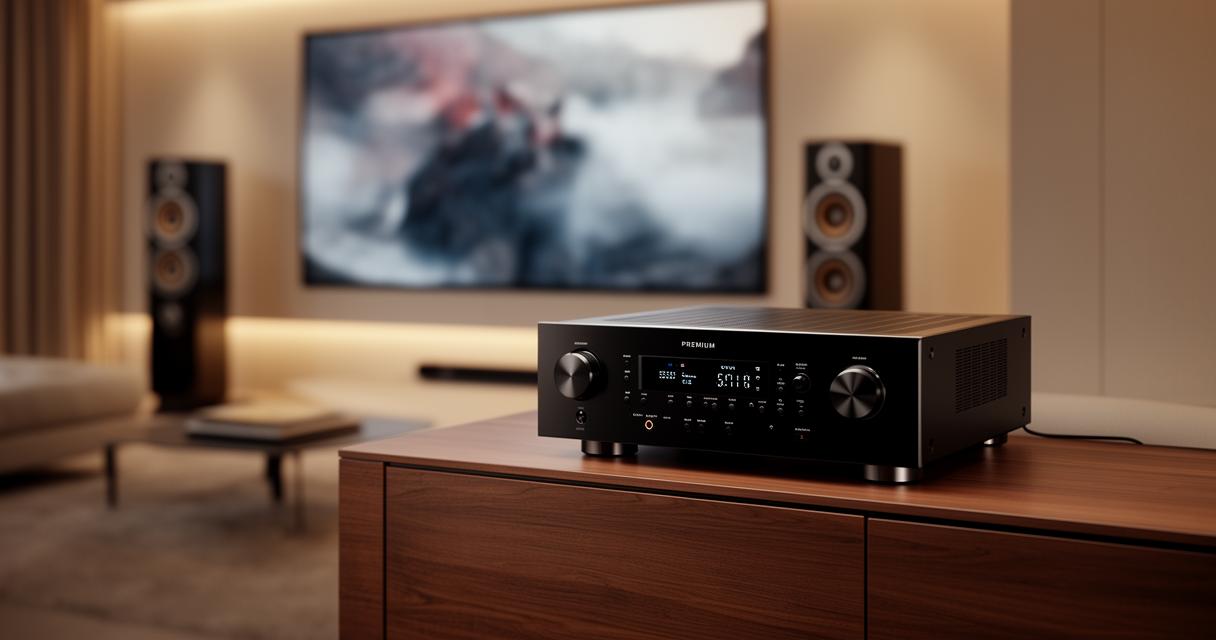
Port configuration and 4k/8k video passthrough: practical testing results
In practical use, the RX-A2A handles 4K video passthrough with confidence, and its port configuration is generous enough to accommodate a typical modern setup involving a games console, a set-top box, and a Blu-ray player simultaneously. Testing for 8K passthrough reveals that the receiver is prepared for this emerging standard too, though real-world content at that resolution remains relatively scarce at present. Several forum members have noted that performance issues occasionally crop up with specific firmware versions, so keeping the unit updated is advisable for anyone wanting the smoothest experience.
Aventage design philosophy and build quality: yamaha's premium approach
Yamaha's Aventage line has long been associated with a design philosophy that prioritises substance over flashy gimmicks, and the RX-A2A continues that tradition admirably. The unit carries a certain understated confidence, particularly in its black finish, which slots neatly into most living room aesthetics without drawing unnecessary attention to itself.
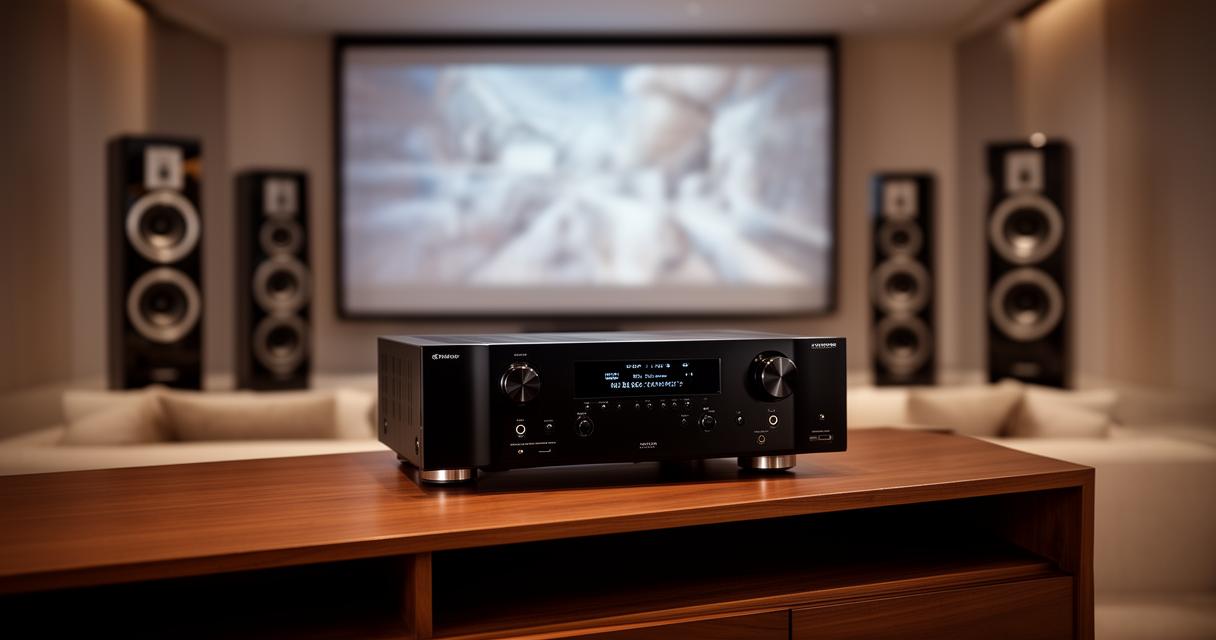
Black Finish Aesthetics and Physical Construction: First Impressions and Durability
The black finish gives the RX-A2A a sleek, almost understated presence, and the physical construction feels notably robust when compared with some competitors in a similar price bracket. Build quality is often cited by owners as one of the standout strengths of Yamaha's approach, with sturdy casing and well-placed controls that suggest genuine attention to durability rather than cost-cutting corners. This premium build quality does come at a cost, however, as Yamaha's receivers can be pricier than some alternatives from Denon or other rivals.
Internal Architecture and Power Specifications: What Sets the A2A Apart
Underneath the exterior, the internal architecture reveals why the RX-A2A commands a higher price than its sibling, the RX-V6A, which typically retails around seven hundred and twenty euros. The A2A benefits from a substantially larger power supply and beefier capacitors, giving it a noticeable advantage in multi-channel performance that becomes especially apparent when driving demanding speaker setups. This difference in internal engineering is precisely why many enthusiasts consider the extra outlay worthwhile, particularly when the receiver forms the heart of a proper multi-room audio arrangement.
Sound Quality Assessment: Dolby Atmos, DTS, and Stereo Performance Compared to Marantz
Sound quality remains the ultimate deciding factor for most buyers, and this is where the RX-A2A truly earns its reputation. Support for Dolby Atmos and DTS formats ensures that home cinema content sounds appropriately immersive, with height channels and surround effects rendered with a level of precision that holds up well against comparable offerings from Marantz.
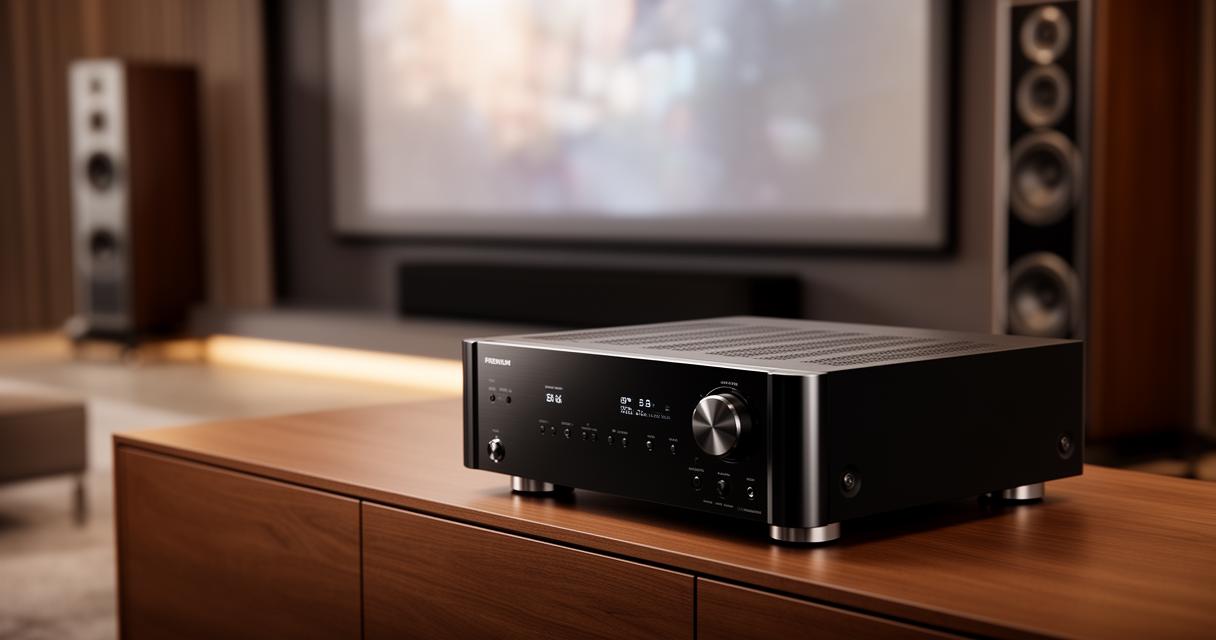
Home cinema audio testing: dolby atmos and dts format handling
During testing, the receiver handled complex Dolby Atmos soundtracks with a confidence that translated into a genuinely enveloping cinematic experience, and DTS content fared similarly well across a range of source material. Some forum discussions comparing sound quality against Denon receivers suggest that preferences here often come down to personal taste, with Yamaha typically praised for a slightly warmer tonal balance while Denon units are sometimes described as more analytical. Neither approach is objectively superior, and the choice ultimately depends on what kind of listening experience appeals most to the individual.
Stereo Music Reproduction and Compressed Audio Enhancement: MusicCast and Bluetooth Performance
Beyond home cinema duties, the RX-A2A also impresses in pure stereo music reproduction, offering a surprisingly convincing true stereo experience even when paired with relatively modest speakers. Yamaha's proprietary MusicCast system allows for seamless multi-room audio, letting listeners stream the same track throughout the house or play different content in separate rooms entirely. Bluetooth connectivity rounds out the convenience factor, and notably, the amplifier does a respectable job of enhancing compressed music files, breathing a bit more life and detail into lower-quality streaming sources than one might expect. Integration with voice assistants such as Google Assistant, Alexa, and Siri further cements its position as a genuinely modern, connected piece of home entertainment technology, making daily use feel intuitive rather than fiddly. Taken together, these qualities help explain why so many users report satisfaction with their purchase, even as pricing remains a consideration worth weighing carefully against rivals.