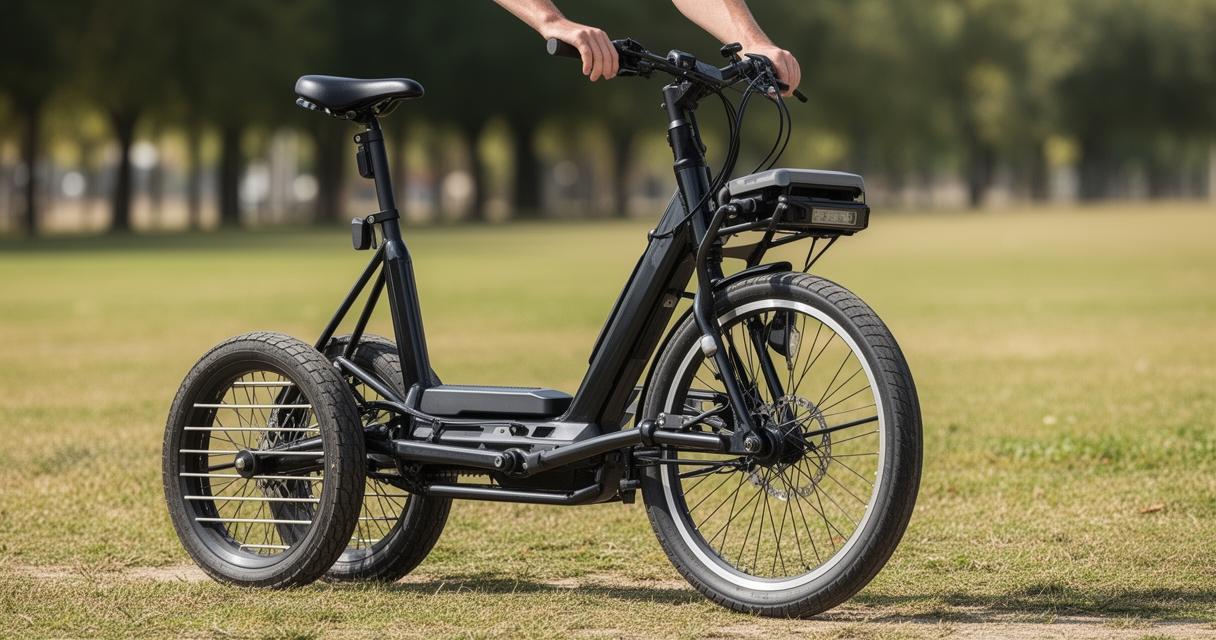
The rules surrounding electric balance bikes for adults have shifted, and anyone thinking of buying one needs to understand exactly where they stand before hopping on. What might look like a simple two-wheeled runabout could, in the eyes of the law, be treated as anything from a bicycle to a fully-fledged motorcycle. Getting this wrong isn't just an administrative headache; it can mean riding illegally without realising it. This guide walks through what the law actually says, what kit you'll need, and how to behave once you're out on the road or cycle path.
Key points
- In the UK, an electric bike must be classified as an EAPC to avoid registration, tax, and insurance requirements, which mandates pedals for propulsion and a 250W motor limit capped at 15.5 mph.
- Bikes exceeding these EAPC thresholds are legally classified as mopeds or motorcycles, requiring the rider to hold a valid driving licence and secure formal vehicle approval.
- Compliant EAPCs can legally access cycle lanes and paths, whereas non-compliant electric bikes are restricted to the road, similar to standard motor vehicles.
- While helmets are only legally mandatory for non-compliant electric bikes classified as mopeds or motorcycles, they are highly recommended for all riders for safety purposes.
- Riders must ensure their bikes are equipped with functioning brakes, lights, and bells, and must understand that only low-speed walk-assist throttles are permitted on standard bikes.
- Operators of electric vehicles have a legal responsibility to prioritize pedestrians and exercise reasonable care to avoid excessive speed in crowded urban environments.
Understanding the New Legal Framework for Electric Balance Bikes
Vehicle classification and registration obligations
The starting point for any rider is working out which category their machine falls into. In Great Britain, a legally compliant electric bike is known as an EAPC, short for Electrically Assisted Pedal Cycle. To qualify, the bike must have pedals that are actually used to propel it, may have more than two wheels, and its motor must be rated at no more than 250 watts. Crucially, the motor cannot push the bike beyond 15.5 mph without the rider pedalling. Meet these conditions and you're treated much like a normal cyclist, with no need for a licence, tax, or insurance, and riders must simply be aged 14 or over.
Step outside these limits, however, and everything changes. Bikes with more powerful motors, illegal motor conversions, or high-powered imports are reclassified as mopeds or motorcycles. That reclassification brings a genuine electric balance bike for adults into a completely different legal world: registration, road tax, and insurance become mandatory, and the rider needs a valid driving licence. As of February 2025, the government hasn't altered the 250W or 15.5 mph thresholds, so these figures remain the benchmark for anyone shopping around.
Mandatory safety equipment standards and compliance
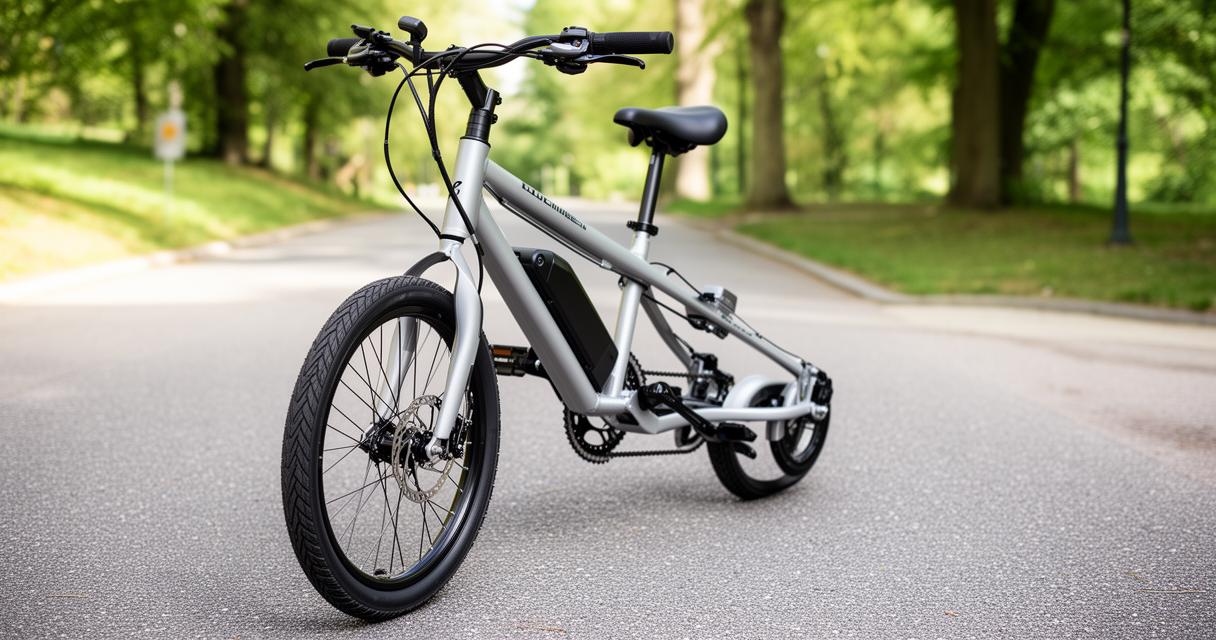
Compliant EAPCs must display markings showing their continuous rated power and manufacturer details, giving both riders and enforcement officers a quick way to verify legality. Bikes that don't meet EAPC criteria and therefore require formal vehicle approval must be approved by the manufacturer, and if that approval isn't in place, the machine may need Motorcycle Single Vehicle Approval, commonly referred to as MSVA. This process checks that a vehicle meets safety and construction standards before it can legally be used on public roads. It's a step that catches many buyers off guard, particularly those importing bikes from abroad or upgrading a standard EAPC with an aftermarket kit that pushes it past the legal power or speed limit.
Essential safety features and protective gear requirements
Helmet standards and personal protective equipment
For non-compliant electric bikes classified as mopeds or motorcycles, wearing a proper motorcycle helmet isn't optional, it's a legal requirement. For standard EAPCs, the picture is more relaxed: helmets are recommended but not compulsory. That said, most safety-conscious operators encourage their use regardless of classification. Hire schemes such as Beryl, which runs bike and e-scooter services across towns and cities including Belfast, Bournemouth, Greater Manchester, and Norwich, are clear that helmets aren't compulsory under UK law but are highly recommended for anyone taking to the streets.
Visibility enhancements: reflective lights and audible warning systems
Being seen and heard matters just as much as being protected. A well-equipped electric balance bike should carry bells, functioning brakes, and lights, the same basics that make any bicycle safe after dark or in poor weather. Learning proper hand signals is also encouraged so that other road users, from car drivers to fellow cyclists, can anticipate your movements. Riders using throttle-only propulsion should also note the distinction between walk-assist throttles capped at 3.7 mph, which are legal, and twist-and-go throttles that exceed walking pace, which require specific type approval before they can be used lawfully.
Navigating urban spaces: rights, responsibilities and road rules
Bike lane access and speed limitations
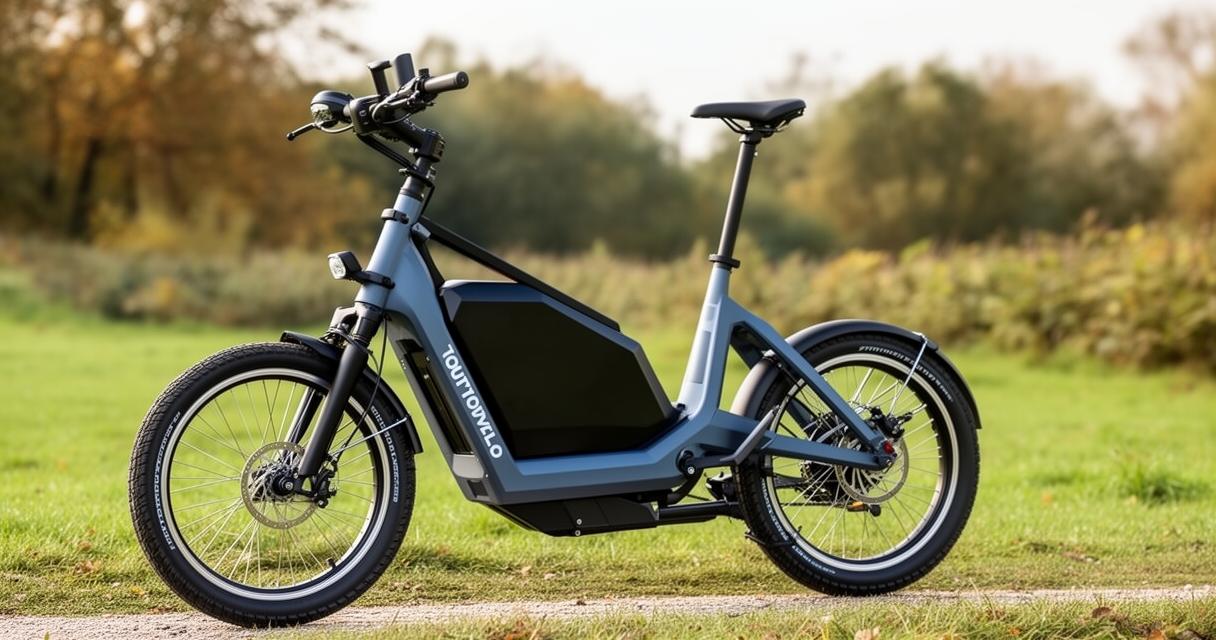
One of the most practical questions riders ask is where they're actually allowed to go. EAPCs can be ridden pretty much anywhere a normal pedal bike is permitted, including cycle paths and lanes designated for cyclists, though never on pavements. Non-compliant electric bikes, by contrast, lose that privilege entirely and are restricted to the road, just like any moped or motorcycle. This distinction matters enormously for anyone considering an electric balance bike for adults, since riding a non-compliant machine in a cycle lane isn't just discouraged, it's against the law.
Services classified as Personal Light Electric Vehicles, such as Beryl's e-scooters, operate under their own set of conditions. Riders must be over 18, hold a valid UK driving or provisional licence, and register through the relevant app before use. Beryl also offers online and face-to-face training sessions, a sensible option for newcomers keen to build confidence before venturing into busier streets. Their e-bikes, meanwhile, offer pedal assistance up to 15 mph and are built to feel manageable despite being heavier than a conventional bicycle.
Pedestrian Priority and Civil Code Obligations for Riders
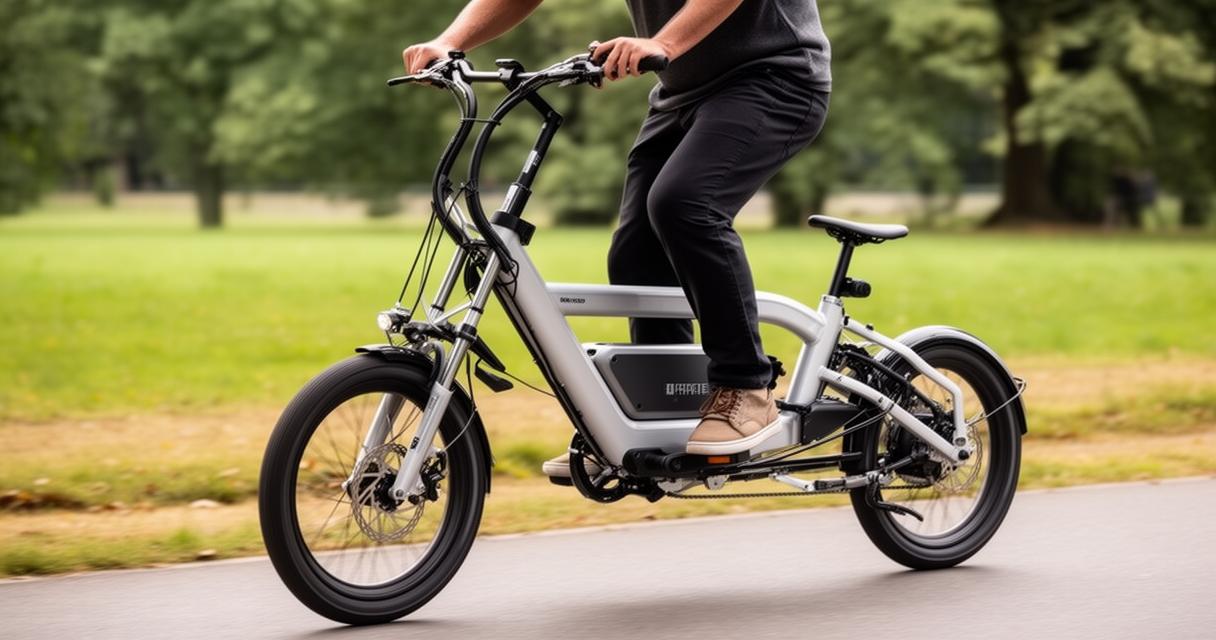
Urban riding inevitably means sharing space with people on foot, and pedestrians generally have priority in busy areas. Riders carry a responsibility under the civil code to behave with reasonable care, avoiding excessive speed near crossings, shared paths, or crowded pavements. This isn't merely courtesy, it reflects a genuine legal duty, and falling short of it can have consequences if an incident occurs. Schemes promoting sustainable urban travel, including those run by Beryl, frame their mission around removing barriers to cycling while keeping streets safe for everyone, a balance that depends heavily on riders understanding and respecting these obligations.
Ultimately, whether you're eyeing a compliant EAPC or considering a hire scheme's electric bike, the rules exist to keep both riders and pedestrians safe while supporting a shift toward cleaner, more efficient city travel. Taking the time to understand classification, equipment standards, and road etiquette isn't just about staying on the right side of the law, it's about making urban cycling something everyone can trust.