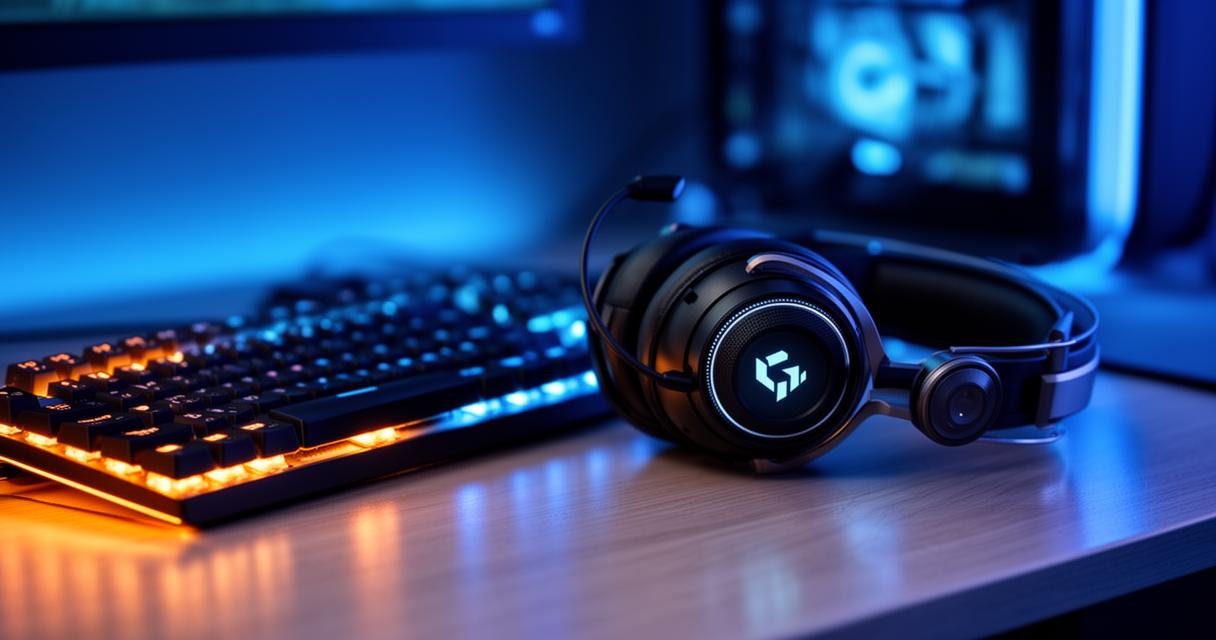
Finding the right pair of ears for your battlefield can make all the difference between hearing that flanking Tracer and getting picked off without a clue. Overwatch rewards players who can pinpoint footsteps, ultimates, and voice callouts with precision, which is exactly why a dedicated gaming headset has become as important as a steady mouse hand. Whether you're grinding competitive ranks or just enjoying quick play with friends, the market now offers options that suit nearly every budget and preference.
In short
- In Overwatch, precise audio is essential for tracking enemy movements like footsteps and ultimates, making a quality headset a critical competitive tool.
- Virtual surround sound and a broad frequency response are key features that enhance spatial awareness and allow players to pinpoint enemy locations accurately.
- Long gaming sessions require durable headsets with memory foam ear pads to ensure comfort and long-term hardware reliability.
- Premium headsets like the HyperX Cloud Alpha and SteelSeries Arctis Nova 7 are favored by competitive players for their superior sound signature and build quality.
- Budget-friendly options from brands like Turtle Beach and Anker provide effective audio performance and noise cancellation for gamers who do not want to spend heavily.
- Choosing between wired and wireless connectivity depends on a player's preference for minimal latency versus the convenience of a cable-free setup.
- A high-quality, detachable microphone with background noise reduction is vital for clear team communication during intense matches.
Understanding the Core Features of Quality Overwatch Gaming Headsets
Surround Sound Technology and Frequency Response for Immersive Gaming
The heart of any decent gaming headset lies in how accurately it reproduces sound. For Overwatch specifically, spatial awareness can mean the difference between winning a teamfight and getting caught out. Many manufacturers now build in virtual surround sound, allowing players to detect the direction of enemy fire or an approaching Reinhardt charge with startling clarity. Frequency response, typically measured in kilohertz, plays a big role here too, since a wider range means richer bass for explosions and crisper highs for subtle audio cues like reloading sounds. Brands such as Sennheiser and Sony have long been respected for their tuning expertise, and that same engineering often trickles down into gaming-focused products. Even audiophile-grade names like Audeze have entered the gaming space, proving that sound quality and competitive performance aren't mutually exclusive.
Comfort and Build Quality: Memory Foam Ear Pads and Durable Design
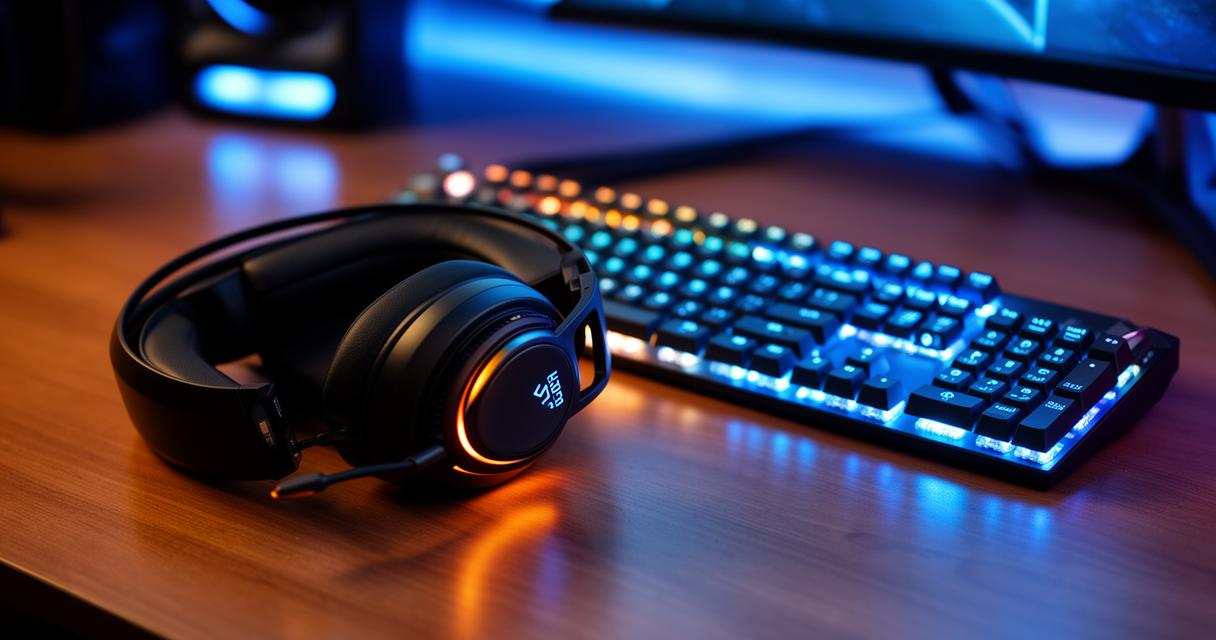
Marathon Overwatch sessions demand a headset that won't leave your ears aching after a couple of hours. This is where memory foam ear pads truly shine, moulding to the shape of your head while keeping things breathable during intense matches. Build quality matters just as much, since a headset that feels flimsy after a few weeks of use isn't doing anyone any favours. Sturdy headbands, reinforced hinges, and quality materials all contribute to a product that survives the occasional rage-induced desk slam. Comfort and durability go hand in hand with performance, and it's worth trying on a few different models if possible, since head shapes and ear sizes vary considerably from person to person.
Top-Rated Gaming Headset Brands and Models for Overwatch Players
HyperX Cloud Alpha and SteelSeries Arctis: Premium Options Worth the Investment
When it comes to reputation among competitive gamers, few names come up as often as HyperX and SteelSeries. The HyperX Cloud Alpha has built a loyal following thanks to its balanced sound signature and rock-solid construction, making it a favourite for players who want reliability without breaking the bank on premium features. Meanwhile, the SteelSeries Arctis Nova 7 Wireless offers a step up in convenience, freeing players from cable clutter while still delivering the audio precision Overwatch demands. Both options sit comfortably in the mid-to-premium bracket, representing genuine investment pieces for anyone serious about their gaming setup. Other premium contenders worth mentioning include the Razer BlackShark V3 Pro and the Astro A50 X, both of which have carved out strong reputations among esports enthusiasts for their clarity and build quality.
Turtle Beach and Other Budget-Friendly Alternatives for Every Gamer
Not everyone wants to spend a small fortune on gaming audio, and thankfully Turtle Beach has built an entire brand around delivering solid performance at accessible prices. Their headsets often punch above their weight class, offering decent surround sound and comfortable padding without the premium price tag attached to some competitors. Budget-conscious shoppers browsing platforms like Amazon or Rakuten will also find options from Anker's Soundcore range, including the Soundcore Space Q45, which brings noise cancelling technology typically reserved for pricier models down to a more reasonable cost. These alternatives prove that you don't need to spend hundreds to get a headset that handles Overwatch's audio demands competently.
- Premium tier: HyperX Cloud Alpha, SteelSeries Arctis Nova 7, Razer BlackShark V3 Pro
- Mid-range options: Turtle Beach models, Anker Soundcore Space series
- Budget-friendly picks: various entry-level Turtle Beach and Soundcore releases
Choosing the Right Connectivity and Microphone Setup for Your Gaming Needs
Wired versus usb connectivity: which option suits your gaming style
The debate between wired and wireless connections continues to divide gamers, and honestly, the right choice depends entirely on personal priorities. Wired headsets generally offer lower latency, which matters when split-second reactions determine whether you land that crucial headshot. USB connections, on the other hand, often come with additional features like customisable EQ settings and virtual surround sound processing built into the accompanying software. For competitive Overwatch players, many still prefer wired setups purely for the reliability factor, avoiding any potential interference or battery anxiety mid-match. That said, wireless technology has improved dramatically, and headsets like the Sennheiser MOMENTUM 4 Wireless demonstrate that latency concerns are becoming less relevant with newer generations of hardware.
Detachable Microphones and Clear Communication for Competitive Play
Communication wins games, plain and simple, and this is precisely why a quality microphone deserves just as much attention as the drivers pumping sound into your ears. Detachable microphones have become something of a standard feature, allowing players to remove the boom when they're not gaming or when switching to earbuds for casual listening. Clear voice pickup with background noise reduction ensures your team actually understands your callouts instead of straining to hear you over keyboard clatter or background chatter. Many manufacturers now include flip-to-mute functionality directly on the microphone arm, a small but genuinely useful addition during those moments when you need to mute quickly without fumbling through software settings. Ultimately, whether you're eyeing something from Samsung's Galaxy Buds range for casual use or a dedicated gaming headset for ranked matches, prioritising clear communication alongside audio quality will serve you well on the battlefield.