Whether you are behind the wheel of a car, standing on a factory floor, or simply admiring the dial of a well-made wristwatch, the tachymeter has a curious way of turning ordinary movement into meaningful numbers. This unassuming scale, often tucked around the edge of a watch face or built into industrial sensing equipment, translates the passage of time into a readable measure of speed or displacement, bridging the gap between simple mechanics and precise engineering.
In brief
- A tachymeter is a specialized instrument that calculates speed or displacement by converting elapsed time over a fixed distance into a readable numerical value.
- Mechanical tachymeters, often found on watch dials, rely on the manual operation of a chronograph, whereas digital versions offer continuous and automated measurements in industrial settings.
- In the automotive industry, tachymetric technology is essential for monitoring rotational speed and engine efficiency to ensure optimal performance.
- Industrial manufacturing relies on tachymeters to oversee conveyor systems and machinery, where consistent speed is critical for product quality and equipment longevity.
- Field applications often require a choice between robust reflective sensors or high-precision laser technology, depending on the environmental conditions and required accuracy.
- Modern tachymetric tools vary significantly in cost and complexity, with some consumer timepieces integrating them alongside other functional features like compasses or calculators.
Understanding tachymeter technology and measurement principles
At its heart, a tachymeter is a tool designed to measure how quickly something moves across a known distance. The idea sounds almost deceptively simple, yet the mathematics behind it has made this instrument indispensable across countless fields, from motorsport to manufacturing.
Core mechanisms behind tachymetric speed calculations
The basic principle relies on pairing distance with time. A chronograph function starts the moment an object, such as a car, begins its journey, and stops once that object has covered a fixed distance, typically one kilometre or one mile. The tachymeter scale then converts the elapsed time directly into a speed reading. For example, if a vehicle takes forty five seconds to cover one kilometre, the tachymeter scale will show an average speed of roughly eighty kilometres per hour, which translates to about fifty miles per hour. This elegant mechanical shortcut means that once the time is known, there is no need for manual calculation, since the scale has already done the work.
This principle explains why the tachymeter has long been associated with racing and aviation, where quick, reliable speed measurement can matter a great deal. Pilots, drivers, and engineers alike have depended on this deceptively straightforward tool to gauge performance in real time without reaching for a calculator.
Analogue versus Digital Tachymeter Functionality and Accuracy
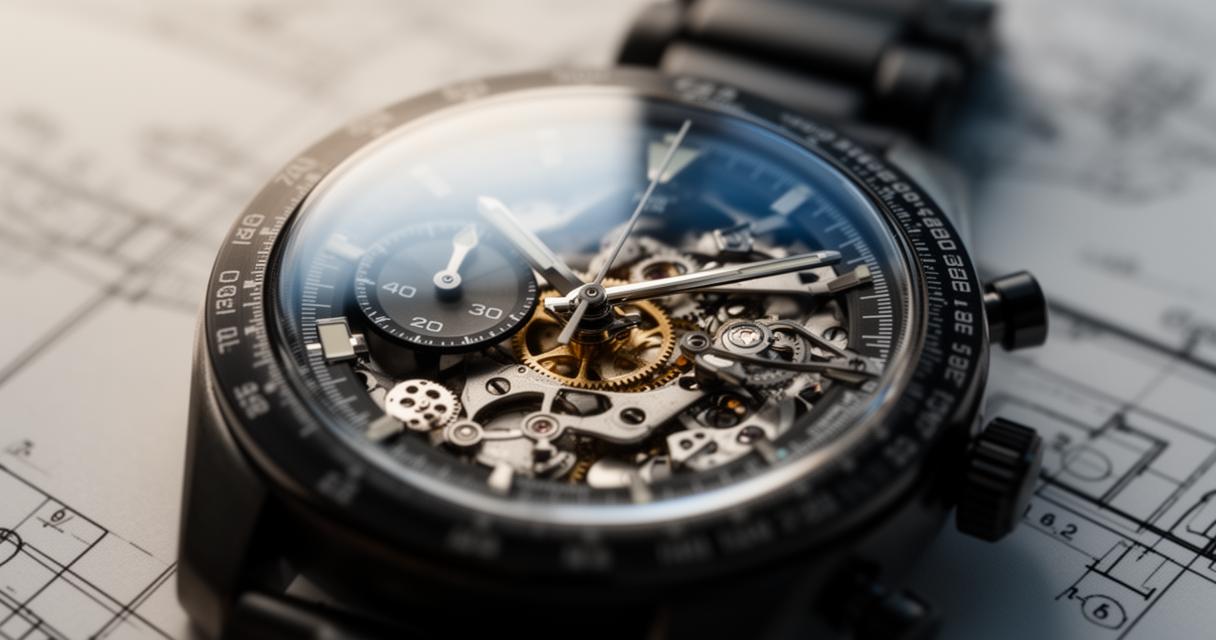
Traditional analogue tachymeters, often found on the bezel or dial of a mechanical watch, rely purely on the relationship between the sweep of a second hand and a printed scale. They are elegant, self-contained, and require no batteries, though their accuracy depends heavily on how precisely the user starts and stops the chronograph.
Digital tachymeters, by contrast, tend to be built into electronic sensing systems used in industrial or automotive contexts. These devices can measure rotational speed or displacement with remarkable consistency, often continuously rather than over a single timed interval. While the fundamental concept remains the same, digital versions typically offer sharper repeatability and can integrate with broader monitoring systems, making them well suited to environments where consistent, ongoing data matters more than a single manual reading.
Applications of tachymeters across different industries
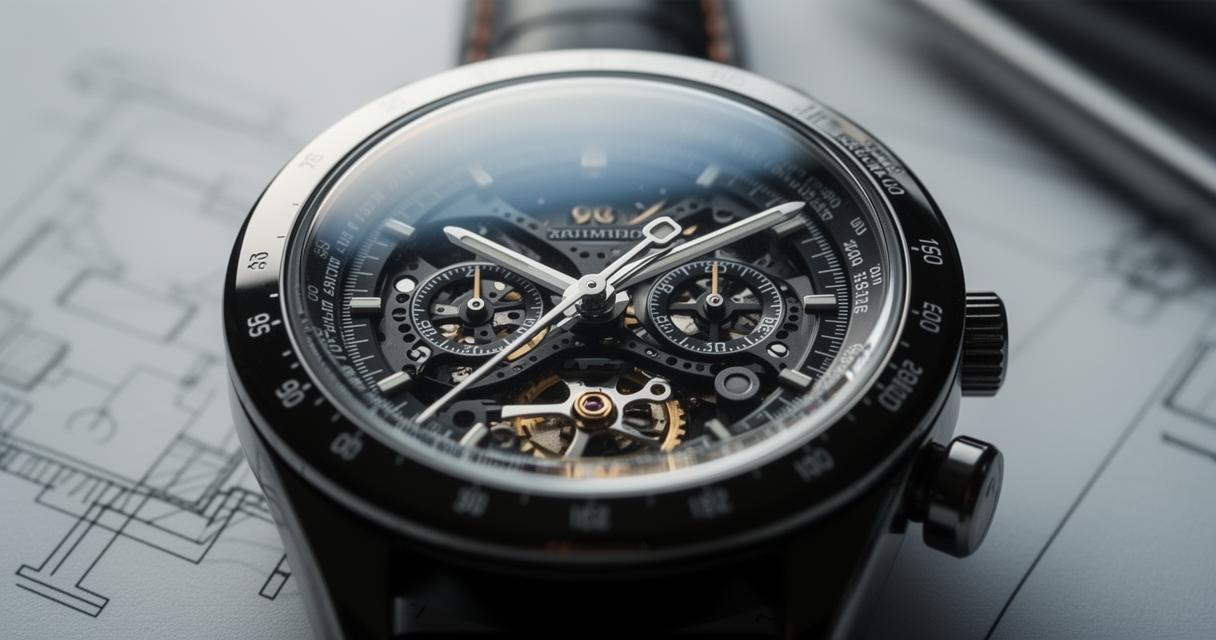
Tachymeters have found a home well beyond the wrist. Their versatility means they appear in settings that range from roaring engine bays to quiet, climate-controlled laboratories, each application asking something slightly different of the instrument.
Automotive engine performance monitoring and control systems
In the automotive world, tachymeters play a central role in engine performance monitoring, allowing engineers and drivers to keep tabs on rotational speed and overall efficiency. This capability supports everything from routine maintenance checks to the fine-tuning of high performance engines, where even small variations in speed can hint at deeper mechanical issues. The ability to control and analyse engine performance in this way has made tachymetric tools a staple of automotive workshops and racing teams alike, where precision often separates a good result from a great one.
Industrial manufacturing and precision engineering applications
Away from the racetrack, tachymeters also serve industrial manufacturing, where rotating machinery, conveyor systems, and precision engineering processes all benefit from accurate speed and displacement data. In these settings, consistency is everything, since even minor discrepancies in rotational speed can affect product quality or equipment longevity. Here, the instrument becomes less about a single dramatic measurement and more about ongoing, reliable oversight that keeps production lines running smoothly.
Selecting the Right Tachymeter: Features, Pricing, and Technology Options
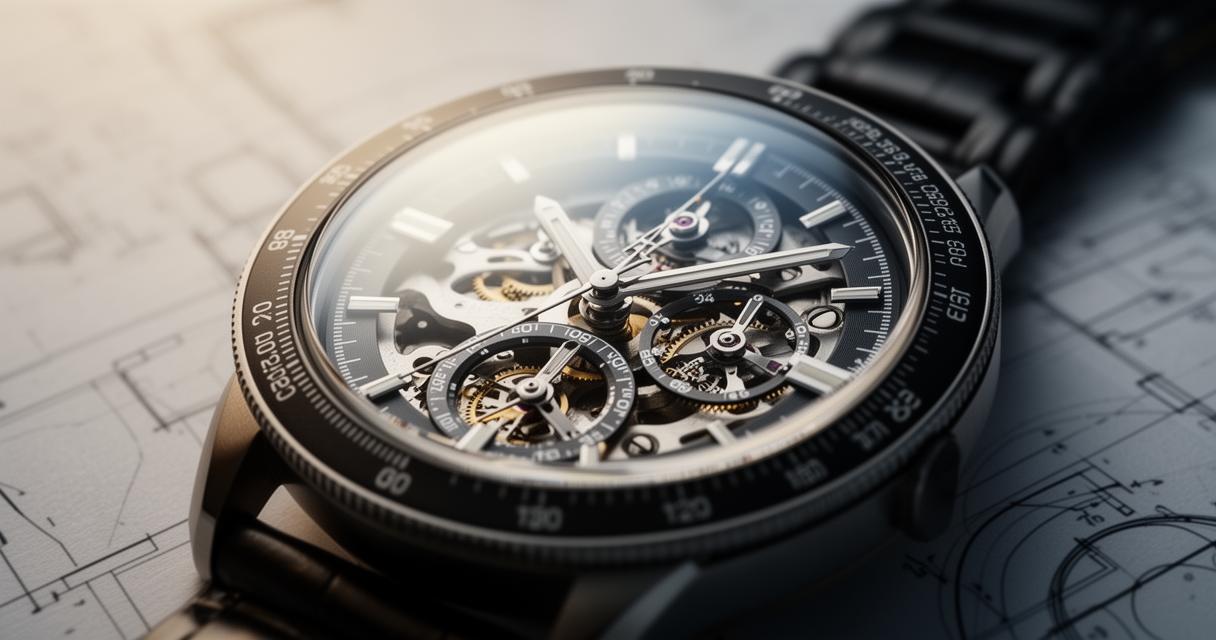
With so many variations available, choosing a suitable tachymeter often comes down to balancing the intended environment against budget and required precision.
Reflective Sensor and Laser Technology Comparison for Field Use
For fieldwork, where conditions can be unpredictable, reflective sensor and laser based tachymeters each offer distinct advantages. Reflective sensor models tend to be robust and cost effective, making them practical for everyday industrial use, while laser technology provides sharper accuracy over greater distances, which can prove invaluable in demanding outdoor or high precision settings. The choice ultimately depends on how much environmental variability the equipment must withstand.
Evaluating Cost Factors and Calibration Ranges for Laboratory Settings
In laboratory environments, calibration range and consistency usually take precedence over raw speed of measurement. Prices for tachymetric equipment can vary considerably depending on brand reputation, build quality, and the sophistication of the underlying technology. Some brands, such as watchmaker CITIZEN, illustrate how tachymeter functions can be woven into broader product philosophies centred on craftsmanship and sustainability. Beyond speed measurement, many of their timepieces also incorporate additional features including a compass function, rotating bezel, yachting function, world time display, pulse metre, and even a built-in calculator, reflecting a wider tradition of thoughtful, multi-functional design. With service and support available across regions including Austria, France, Germany, Italy, and the UK, such brands demonstrate how a global network can sustain both technological refinement and long-term reliability. Whether chosen for a laboratory bench or a wrist, a well-made tachymeter remains a small but powerful testament to how thoughtfully applied technology and manufacture can make sense of speed, distance, and time all at once.