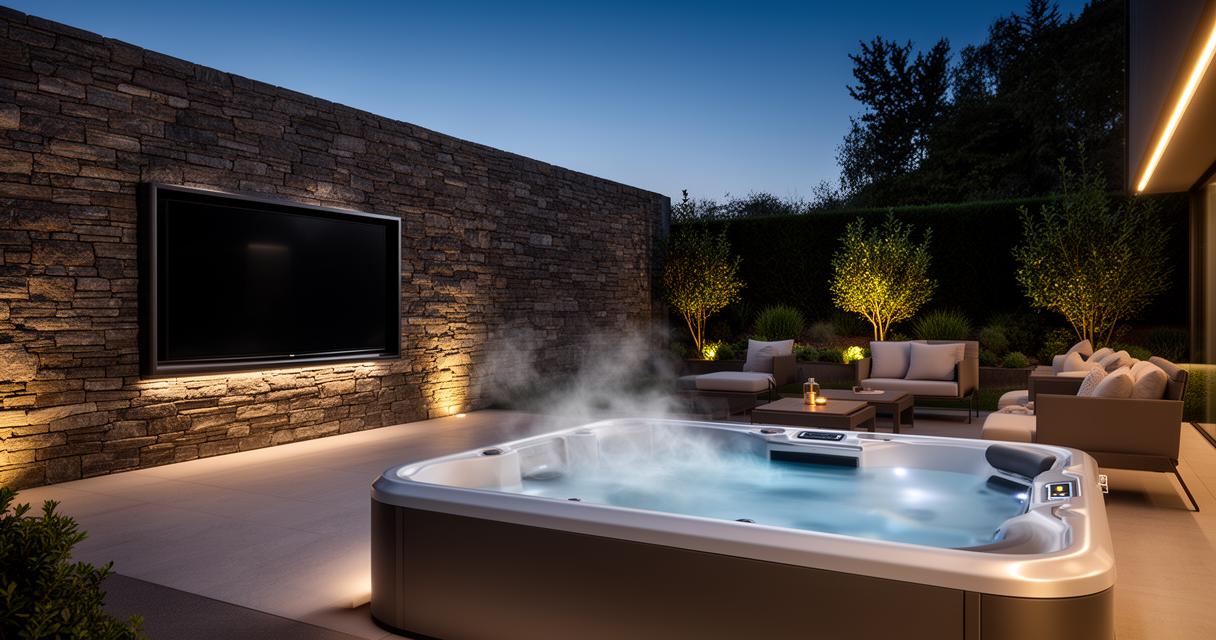
There's something rather wonderful about lounging in a warm spa while catching up on your favourite programme, and with the right setup, this little slice of luxury can be enjoyed regardless of what the British weather decides to throw at you. Installing an outdoor television near your spa area takes a bit of planning, but the payoff is a garden entertainment space that rivals anything indoors. From choosing the right spot to picking a screen that can genuinely cope with drizzle, frost and the occasional heatwave, this guide walks through everything you need to know.
Key takeaways
- Careful planning of the television location is essential to ensure optimal viewing angles while minimizing glare from changing sunlight throughout the day.
- Prioritizing safety by maintaining a secure distance between the television and the spa prevents damage from water splashes, steam, and corrosive moisture.
- Selecting a television with an appropriate IP rating, such as IP55, is crucial to ensure the device can withstand rain, humidity, and varying outdoor weather conditions.
- High-brightness displays with HDR support are necessary for outdoor environments to maintain picture quality and avoid a washed-out image in direct sunlight.
- Choosing between a fixed installation for a polished, integrated look or a portable setup offers different levels of flexibility depending on your garden usage.
- Investing in high-quality protective covers helps extend the lifespan of outdoor televisions by shielding them from debris and the elements when not in use.
- Calculating the correct screen size based on the viewing distance from the spa ensures an immersive and comfortable entertainment experience.
Selecting the Perfect Location for Your Outdoor Television Near Your Spa
Assessing Your Garden or Terrace Layout for Optimal Viewing
Before you even think about brands or specifications, take a proper look at your garden or terrace layout. The goal is to find a spot where the screen is visible from the spa without straining your neck or squinting against glare. Many homeowners find that positioning the television under a pergola or within a purpose-built gazebo works brilliantly, as it offers a natural frame for the screen whilst providing a bit of shelter. If your spa sits close to an outdoor kitchen or BBQ area, you might even consider a layout that lets one screen serve multiple zones, so you're not doubling up on equipment.
Lighting conditions matter enormously here too. A screen destined for a spot in full shade behaves very differently to one that will spend afternoons in partial sun or blazing full sun, so mapping out how the light moves across your garden throughout the day will save you a lot of frustration later on. This is precisely the sort of detail that separates a mediocre outdoor waterproof TV setup from one that actually gets used year-round.
Maintaining Safe Distances from Water Sources and Spa Equipment
Safety has to come before aesthetics, no matter how tempting it is to mount the television as close to the water as possible for that immersive feel. Keeping a sensible gap between the screen and the spa itself protects both bathers and the equipment from splashes, steam and the general dampness that surrounds hot tubs. It's also worth checking that any electrical points, cables or mounting brackets are positioned well away from where water might pool or spray, particularly if children or pets are likely to be running about nearby.
Steam rising from a spa can be surprisingly corrosive over time, so even weather-resistant screens benefit from a touch of extra distance and, ideally, a slight elevation above the water level. This small adjustment during installation planning makes a genuine difference to the television's lifespan.
Choosing weather-resistant television solutions for outdoor use
Understanding IP Ratings and Weatherproofing Standards for British Climates
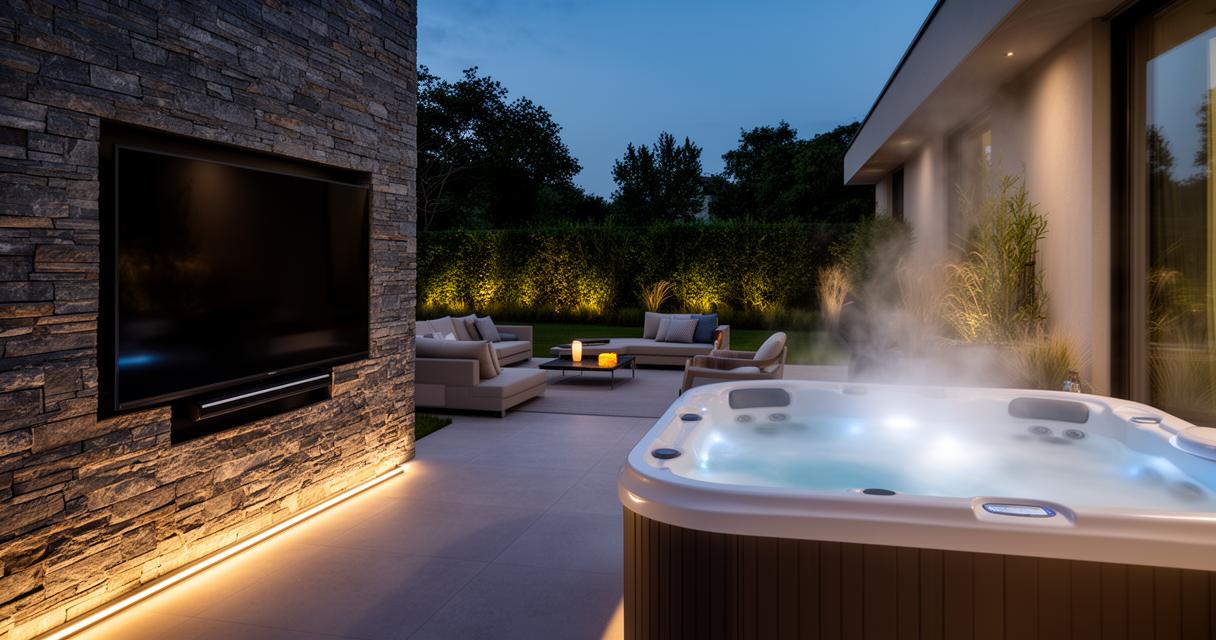
Given how changeable the weather can be across the UK, durability and performance become the two most important qualities in any outdoor screen. This is where IP ratings come into play, as they tell you exactly how well a television resists dust and moisture. A unit with an IP55 rating, for example, is built to handle rain, humidity and general outdoor grime without missing a beat, making it a sensible choice for gardens that see their fair share of showers. The Lifestyle Plus MX series has become something of a benchmark in this space, offering proper 4K resolution alongside full smart TV functionality, so you're not sacrificing picture quality for the sake of weatherproofing.
Brightness is another factor that often gets overlooked until it's too late. A screen that looks stunning indoors can appear washed out and dull once placed in direct sunlight, which is why manufacturers now design ranges specifically calibrated for full shade, partial sun or full sun environments. If your spa area catches a lot of afternoon light, prioritising a model with higher brightness and HDR support will make a noticeable difference to how enjoyable your viewing experience actually is.
Comparing fixed installation versus portable television options
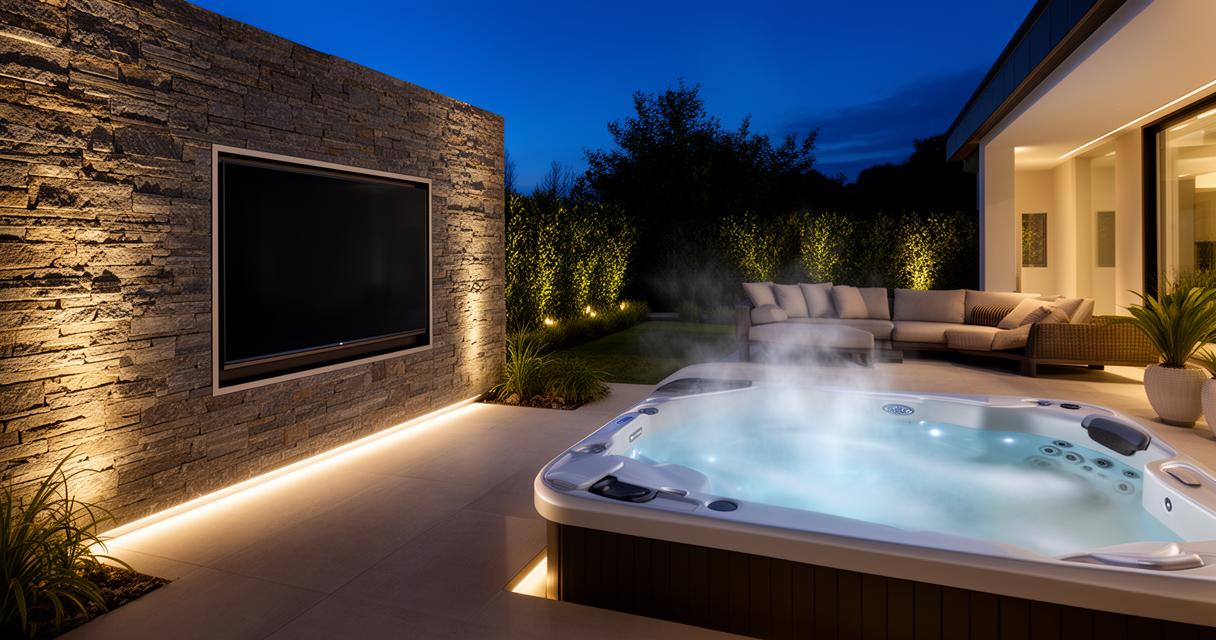
There's a genuine debate to be had between fixed installations and portable setups, and the right answer really depends on how you use your outdoor space. A permanently mounted screen near a pergola or outdoor kitchen offers a polished, integrated look and tends to pair well with dedicated sound systems and mounting solutions designed for long-term use. On the other hand, a portable option gives you the freedom to move the television between the spa area, the BBQ zone or even indoors during particularly foul weather, which suits households that like a bit of flexibility.
Whichever route you choose, investing in a decent protective cover is never a bad idea, as it shields the screen from bird droppings, tree sap and prolonged exposure to the elements when it's not in use. Some popular ranges, including several Lifestyle Plus MX models, come in sizes stretching from forty-three inches right up to sixty-five inches, giving you plenty of scope depending on your budget and available space.
Planning your installation: safety, regulations, and screen size considerations
Calculating proper screen dimensions based on viewing distance
Getting the screen size right is arguably one of the trickiest parts of the whole process, since a television that looks perfectly sized in a shop display can feel either overwhelming or underwhelming once installed outdoors. As a general guide, a fifty-five inch screen suits smaller terraces where the seating sits relatively close to the wall, whilst a sixty-five inch or even seventy-five inch model becomes more appropriate for larger gardens where the spa and seating area are set further back. The premium end of the Lifestyle Plus MX range, particularly the sixty-five inch model with HDR support and high brightness, tends to be a popular choice for those wanting a genuinely cinematic feel outdoors.
It helps to physically measure the distance from your spa or seating area to the proposed mounting point before making a final decision, rather than relying on guesswork. This simple step avoids the common mistake of ending up with a screen that's either too small to enjoy properly or so large it feels out of proportion with the rest of the garden.
Navigating planning permission and local council requirements
Whilst most outdoor televisions don't require formal planning permission, it's still sensible to consider the broader urbanism aspects of your property before installation begins. If you live in a conservation area, a listed building or a property with specific covenants, it's worth checking with your local council to confirm that mounting a large screen or accompanying structure, such as a gazebo, doesn't fall foul of any restrictions. This is particularly relevant if the installation involves permanent fixtures or alterations to your garden's structure.
Once the practicalities are sorted, regular maintenance will keep everything running smoothly for years to come. Wiping down the screen, checking cables for wear and ensuring protective covers are used during particularly harsh spells all contribute to a setup that continues performing beautifully, giving you and your spa the perfect entertainment companion whatever the season brings.